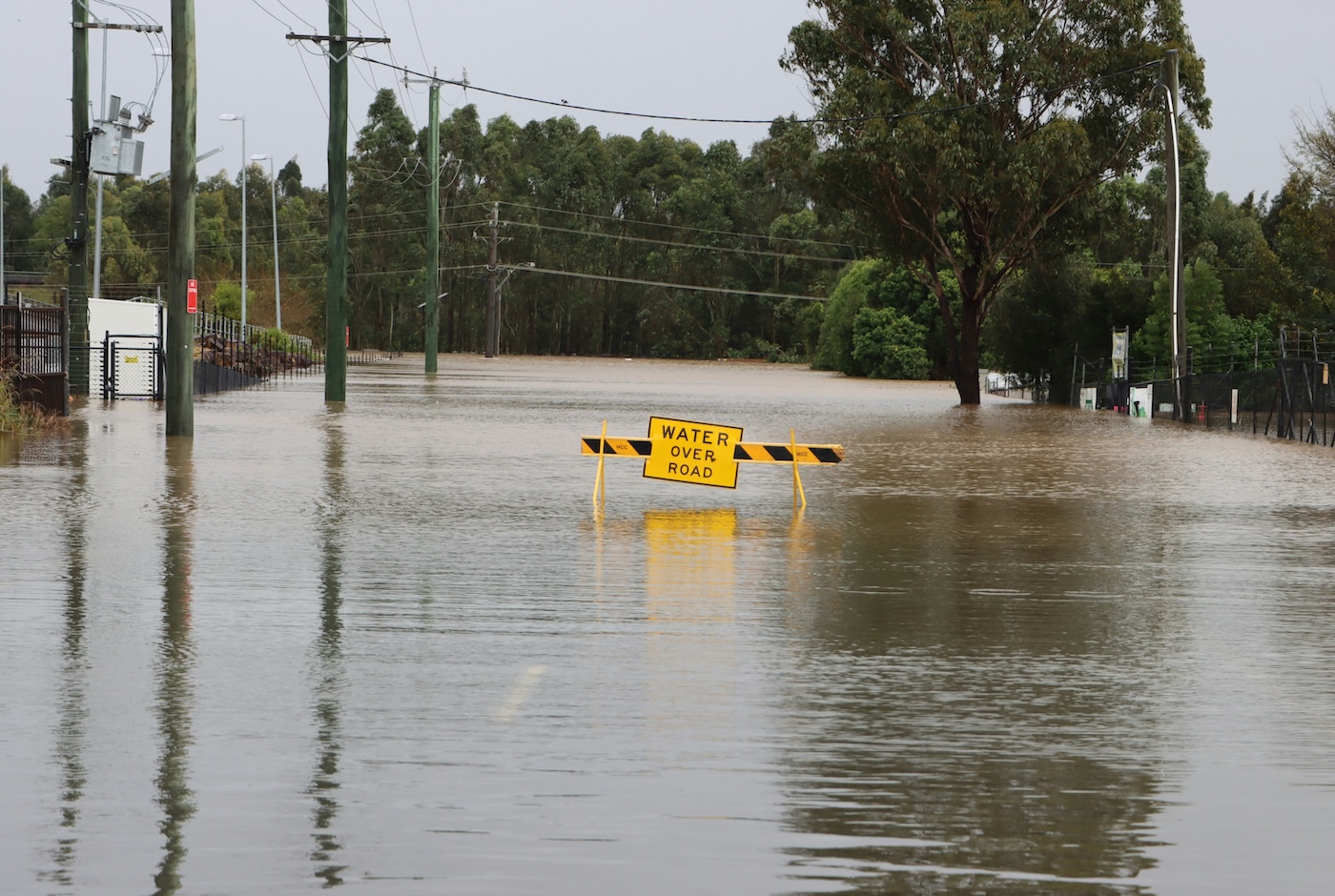
Physical climate risk: a primer
Explore how physical climate risks from acute storms to chronic heat erode physical, human, and natural capital. Read the primer.

Max Girkins
7 days ago
- Estimated reading time: 8 minutes
We’re working with practitioners in insurance, investment, and industry to understand where current risk frameworks fall short and what information decision-makers actually need.
Share your perspective

Climate related risks increasingly affect asset value, risk exposure, and long-term performance. As a result, they are now widely acknowledge as financially material.
Yet in practice, climate risk is often difficult to integrate into core decisions: from pricing and underwriting risk in insurances, to allocating and prioritising capital for asset owners and investors.
Current approaches often rely on data that is high-level, fragmented, and increasingly disconnected from a changing reality. This leads to parallel assessments, manual workarounds, and a growing gap between climate analysis and real decision-making.
We are exploring this challenge to better understand how climate risk is currently handled in real-world decision making.
This work is exploratory and learning-driven. Our aim is to identify where existing risk frameworks, data, and processes fall short in practice, and what would be required to make climate-related risks more decision-useful for insurers and investors.
If you’re working hands-on with risk, investment, underwriting, or supply-chain decisions and are open to sharing your experience, we’d love to hear from you.
Participation involves a short, exploratory conversation. There is no product to sell, and no preparation required. Insights are anonymised unless agreed otherwise.
Share your perspective Explore how physical climate risks from acute storms to chronic heat erode physical, human, and natural capital. Read the primer.
Max Girkins
7 days ago
- Estimated reading time: 8 minutes
Climate risk is often treated as a reporting requirement, but in reality it is a fundamental question of business resilience. It affects assets, operations, supply chains, and strategic decisions through both physical climate impacts and the transition to a low-carbon economy. Understanding and managing climate risk is becoming critical to long-term business viability.
Tara Dunn
9 days ago